Tyre pressure is the cheapest performance upgrade you can make
Correct pressures sharpen steering, shorten braking distances and save fuel. Here is how to check them properly and why the sidewall number is not your target.
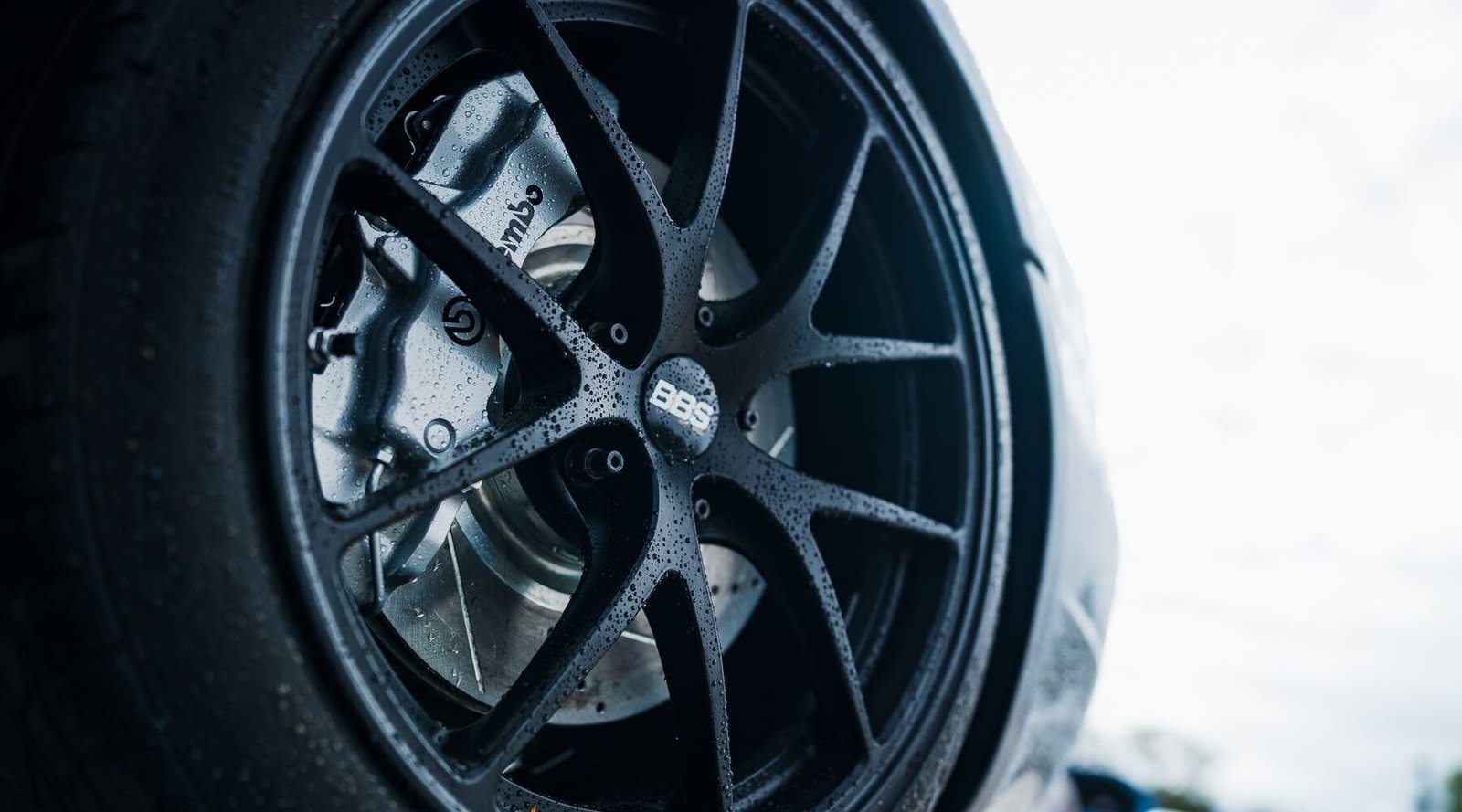
The four contact patches where your tyres meet the road are each roughly the size of your hand. Everything the car does, from steering to braking, happens through them. Getting the pressure right is free, takes five minutes and makes a difference you can feel.
What wrong pressure does
- Too low: vague steering, longer braking distances, more fuel used, and heat build-up that can lead to failure. Wear concentrates on the outer edges.
- Too high: a smaller contact patch, less grip, a harsher ride and wear in the centre of the tread.
Find your real number
The figure moulded into the sidewall is the tyre’s maximum, not the target. Your car’s recommended pressures are on a placard in the driver’s door jamb, inside the fuel flap or in the owner’s manual. Many cars list a higher figure for a full load.
Check them cold
Air expands as tyres warm up, so readings after a drive are higher than reality. Check first thing in the morning or after the car has been parked for a few hours. A good digital gauge is more accurate than most forecourt air lines.
Make it a habit
Tyres naturally lose a little air every month, and more when temperatures drop. Check once a month and before any long drive. A portable inflator in the boot means you can do it at home on your schedule, and it doubles as a get-you-home tool for a slow puncture.
While you are down there
Look at the tread depth and the wear pattern. Even wear is good. Wear on one edge points to alignment, and a feathered pattern can mean worn suspension. Your tyres are telling you how the car is doing, if you look.