Jump starters vs jumper cables: what belongs in your trunk
Cables need a second car and a willing stranger. A lithium jump pack fits in the glovebox and works alone. Here is how they compare and how to use one safely.
A flat battery always happens at the worst time: a dark car park, a remote trailhead, a frosty morning when everyone else has already left. How you get going again depends on what you packed.
Jumper cables
Cables are cheap and they never need charging. The catch is that they need a second running car parked close enough to reach, and a driver willing to help. Thin, cheap cables can also struggle to carry enough current for a big engine.
Lithium jump starters
A modern jump pack is roughly the size of a hardback book. It stores enough energy to start a car on its own, with built-in protection against sparks and reversed clamps. Most double as a power bank and torch.
The trade-off is that it needs to stay charged. Top it up every few months and after each use, and it will be ready when you are.
How to jump-start safely
- Turn off the ignition, lights and accessories.
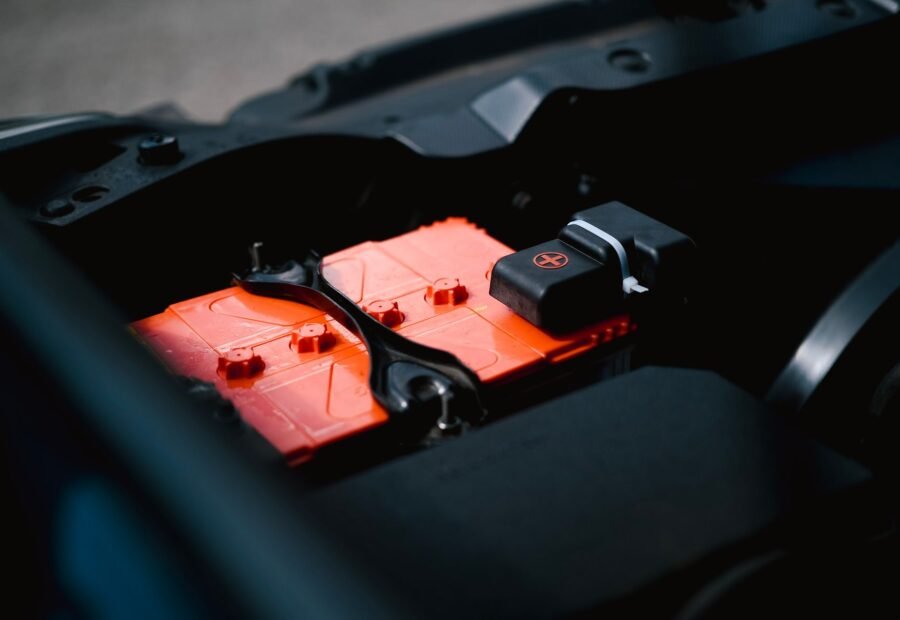
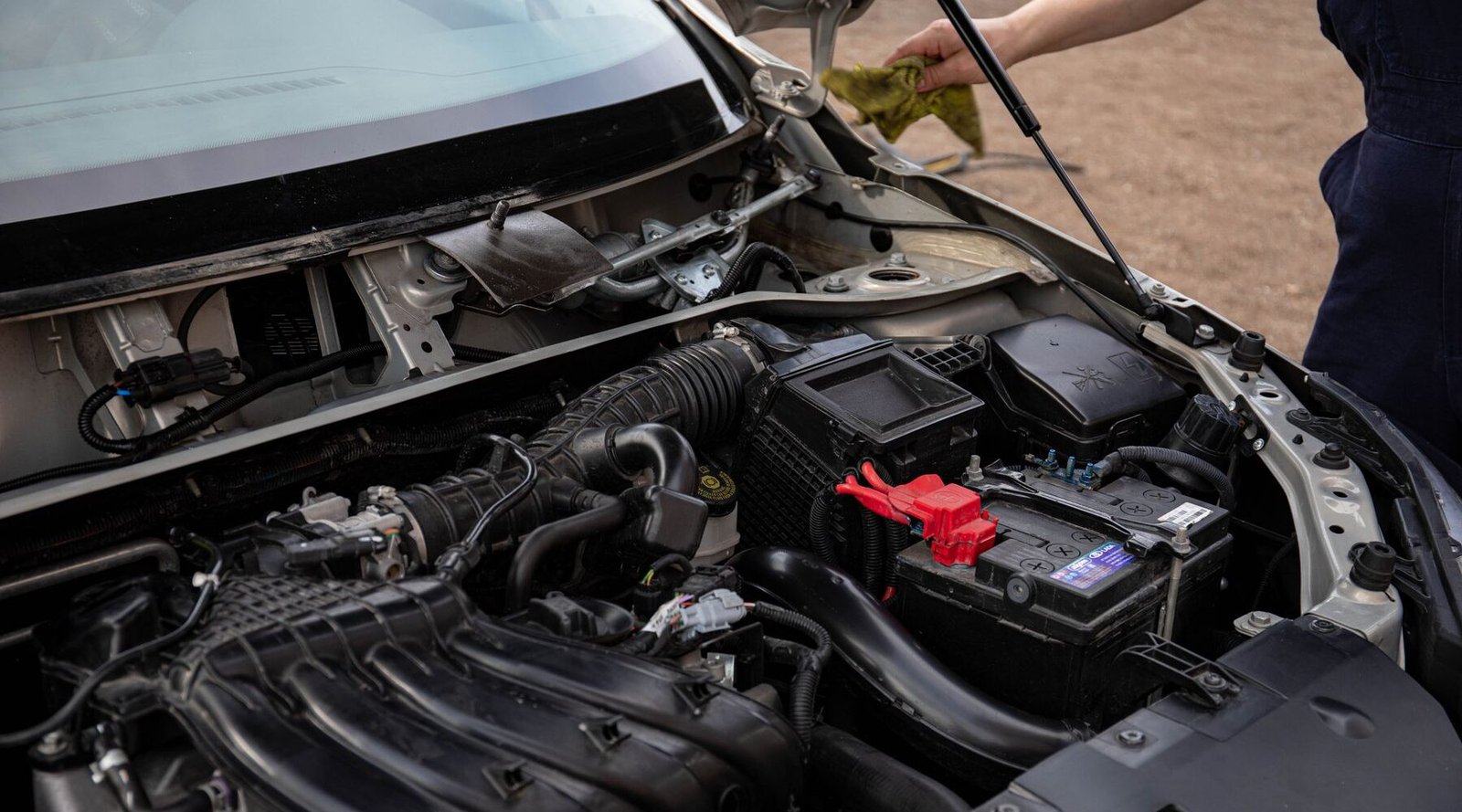
- Connect the red clamp to the positive (+) battery terminal.
- Connect the black clamp to bare metal on the engine or the negative (−) terminal, as your manual advises.
- Switch the pack on, wait for the ready indicator, then start the car.
- Once running, disconnect black first, then red.
The verdict
For most drivers a compact lithium jump starter is the better buy. It works anywhere, needs no one else and takes up almost no space. Keep cables too if you have room, and pair either one with a maintainer if the car sits for long periods.