Why winter kills batteries, and how a maintainer saves yours
Cold slows the chemistry, short trips never recharge, and modern cars sip power while parked. Here is how to keep a battery healthy for years.
A battery rarely dies without warning. It just picks the coldest morning of the year to tell you. Understanding why helps you stop it from happening.
Why cold weather hurts
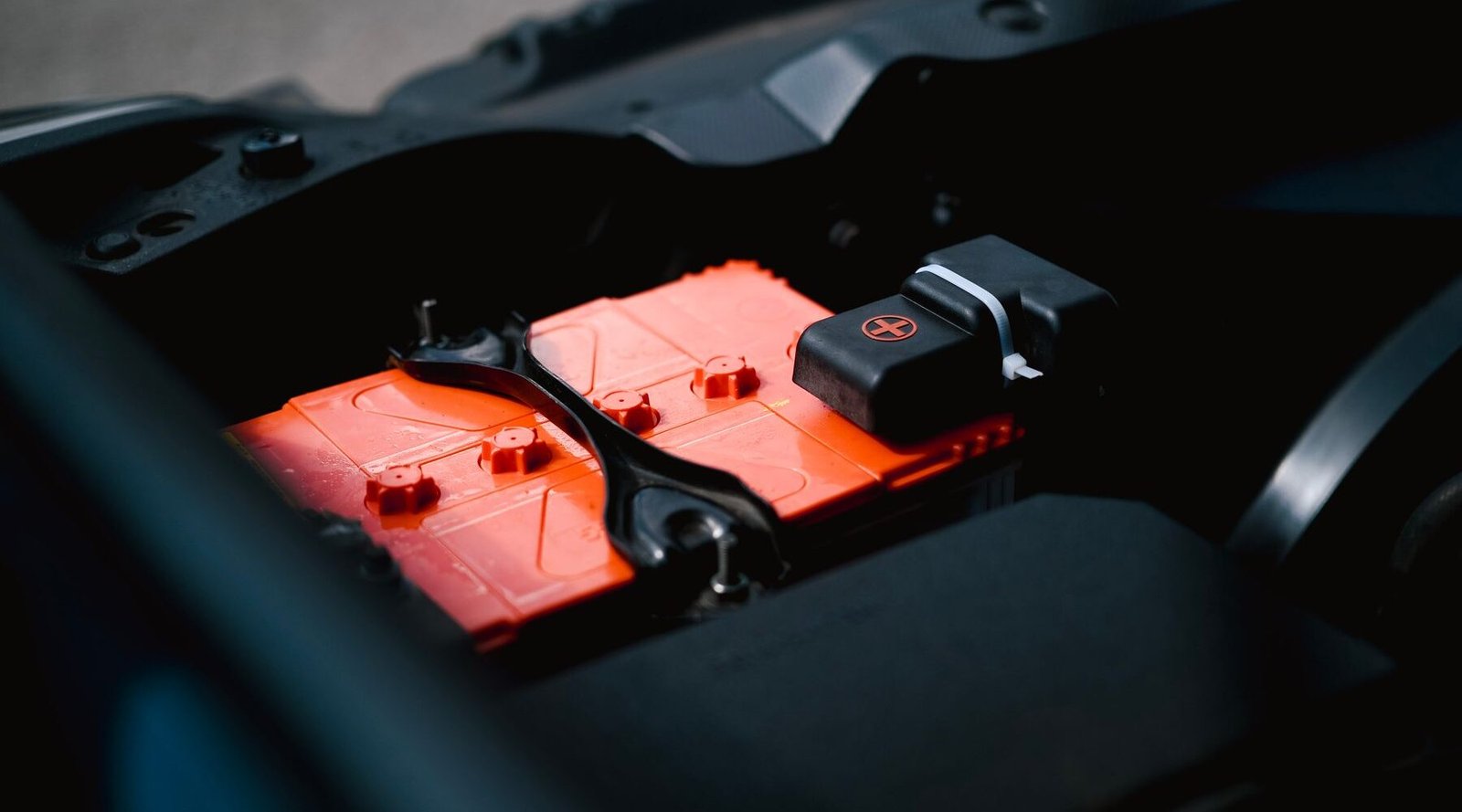
A lead-acid battery makes power through a chemical reaction, and that reaction slows down in the cold. At the same time, cold engine oil is thicker, so the starter needs more power to turn the engine over. Less supply, more demand.
Add short winter journeys with heater, lights and heated seats all running, and the alternator never gets the chance to replace what the starter took. The battery slowly runs down day after day.
Know the numbers
With a simple multimeter across the terminals after the car has rested for a few hours:
- 12.6V or more: fully charged.
- About 12.4V: roughly three-quarters. Time to charge.
- 12.0V or less: discharged. Charge it now; sitting flat damages the plates.
Charger or maintainer?
A maintainer (also called a float or trickle charger) is designed to be left connected for weeks. It brings the battery to full, then monitors and tops up only when needed, so it will not overcharge. It is ideal for second cars, classics, motorcycles and anything that sits through winter.
Most come with ring terminals you can leave fitted to the battery, so connecting takes seconds through a quick-disconnect lead.
A winter routine
- Clean terminals and check they are tight. Corrosion is resistance, and resistance steals cranking power.
- Take one longer drive a week if the car is your daily.
- Keep a jump pack in the car for the morning everything goes wrong anyway.