Off-road recovery basics before you leave the pavement
Getting stuck is part of off-roading. Getting stuck safely is a skill. Tyre pressures, recovery points, the gear to carry and the mistakes to avoid.
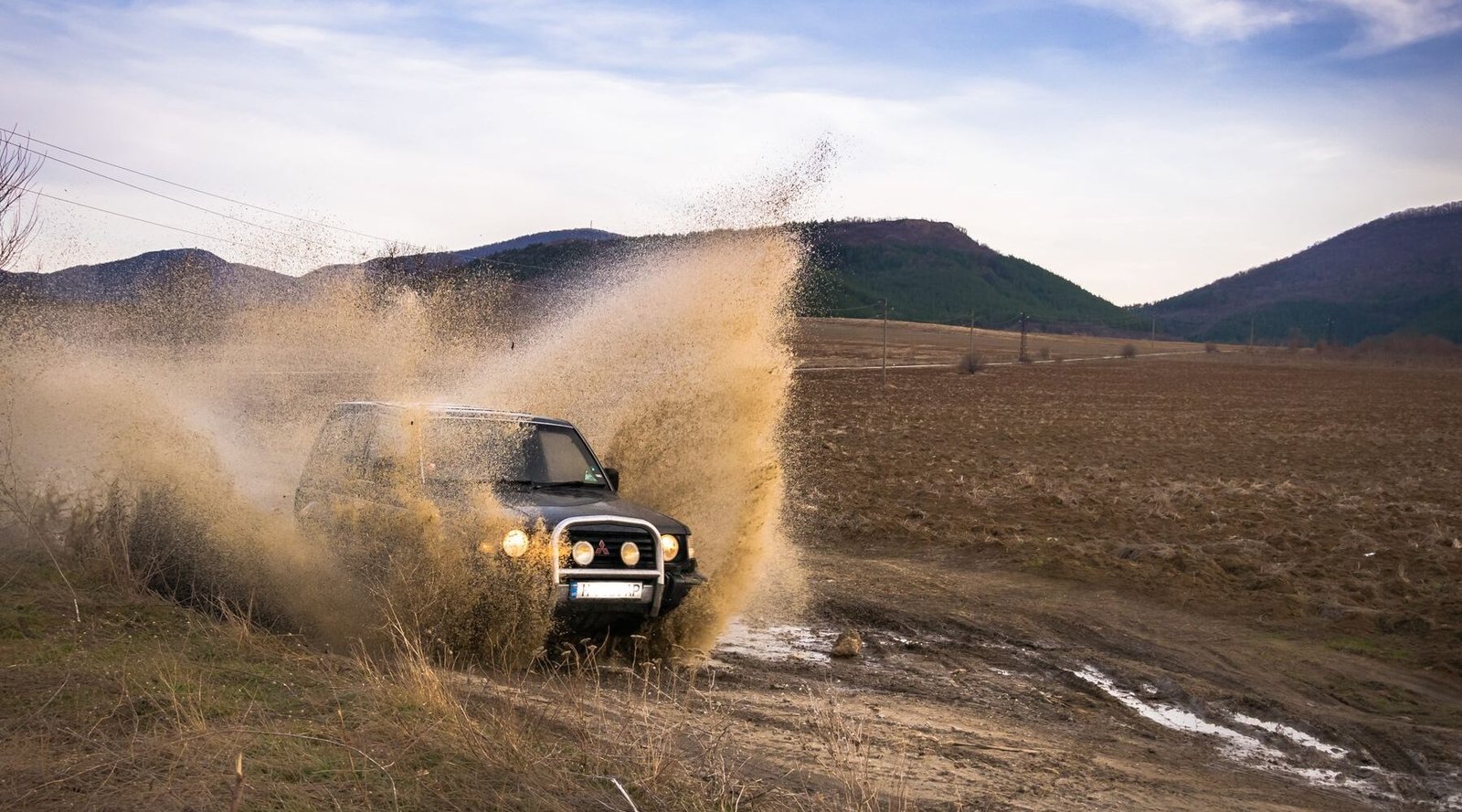
Everyone who goes off-road long enough gets stuck. The difference between a good story and a bad day is preparation: the right pressures, the right gear and knowing what never to do with a recovery strap.
Air down for traction
Lowering tyre pressure lengthens the contact patch, which helps the tyre float on sand and wrap over rocks. Many drivers start around 18 to 20 psi for trails on a standard tyre, lower for soft sand, but your tyre and vehicle set the limits. Go too low on a road tyre and you risk unseating the bead.
The catch is that you must air back up before the highway. That means carrying a gauge and a compressor.
Know your recovery points
- Use rated recovery points only. Factory or aftermarket points bolted to the chassis.
- Never use a tow ball. Tow balls are not designed for snatch loads and can shear off with lethal force.
- Prefer soft shackles over steel ones where you can; there is less metal to fly if something lets go.
- Use a dampener (even a heavy jacket) over the middle of a strap or rope.
What to carry
A kinetic rope or recovery strap, two soft shackles, a shovel, traction boards, gloves, a tyre deflator, a compressor and a jump pack. Recovery gear is useless if a flat battery stops you from driving out afterwards.
The golden rules
- Stop spinning the wheels the moment progress stops. Digging deeper only makes recovery harder.
- Keep everyone well clear of the line, at least one and a half times its length.
- Agree hand signals before anyone moves.
- Tell someone your route and when you expect to be back.